August 3, 2026
A chimney is built to withstand years of exposure to heat, moisture, wind, and changing temperatures, but even durable masonry materials wear down over time. Unfortunately, many homeowners do not notice early warning signs of damage until they experience water leaks, crumbling bricks, poor fireplace performance, or structural concerns. Ignoring these problems can lead to more extensive repairs and increase the risk of safety hazards within the home.
Understanding the most common causes of chimney deterioration can help you identify issues before they become costly. Whether the damage is caused by weather, lack of maintenance, or hidden blockages, scheduling a professional chimney repair service at the first sign of trouble can protect your home and keep your chimney functioning safely.
Recognize the Signs That Require a Chimney Repair Service
Many chimney problems begin with subtle symptoms that homeowners dismiss as normal aging. However, even small changes can indicate larger issues developing beneath the surface.
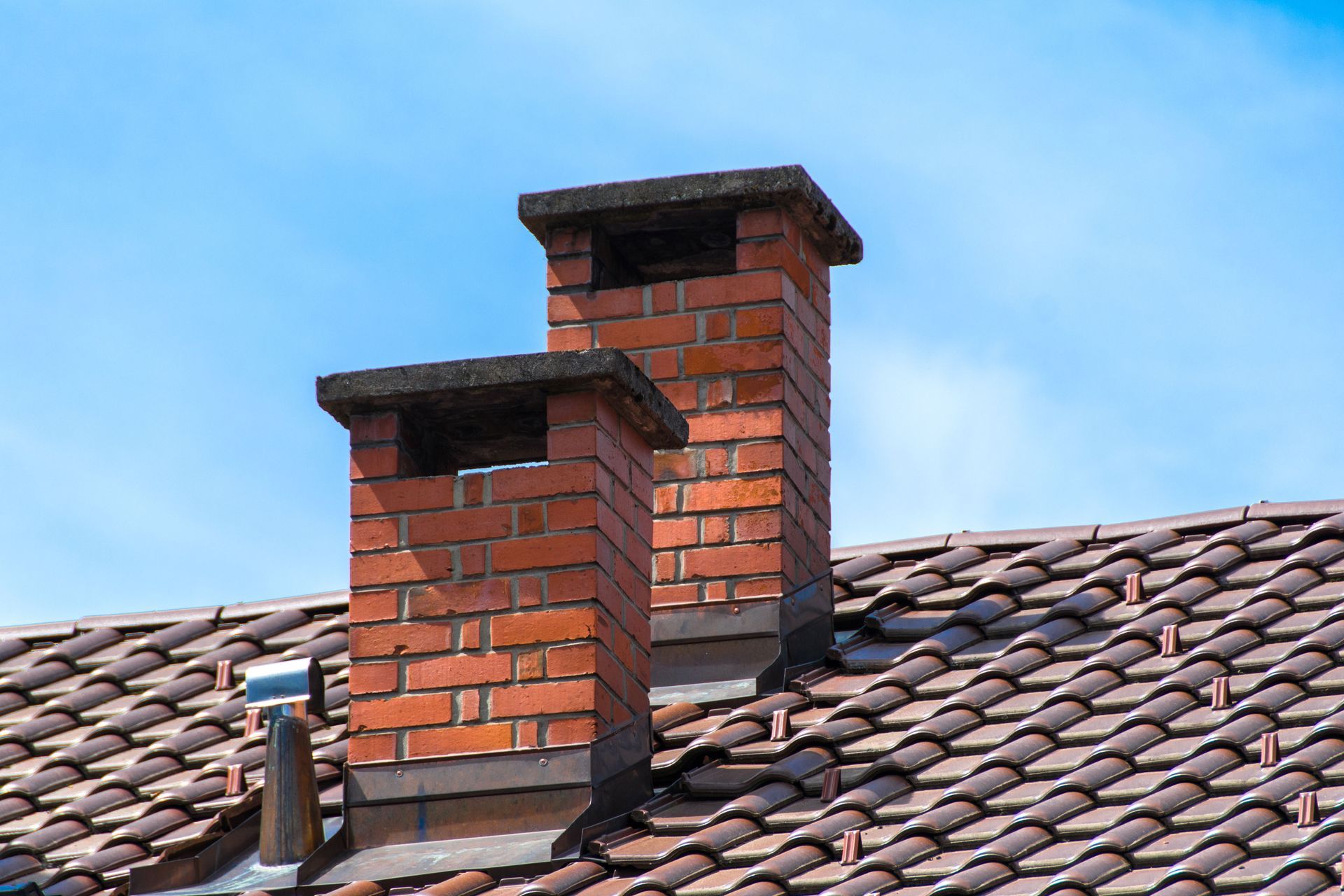
One of the most noticeable warning signs is cracked or deteriorating mortar joints. Mortar naturally wears down over time, especially when exposed to repeated freezing and thawing. As gaps develop, moisture can penetrate the chimney structure and accelerate deterioration.
Loose or damaged bricks are another indication that repairs may be necessary. Bricks that begin shifting or flaking apart may compromise the chimney's stability if left untreated.
Water stains around the fireplace or on nearby ceilings can also signal chimney damage. Moisture entering through damaged flashing, missing chimney caps, or cracked masonry often causes interior staining before homeowners notice exterior problems.
Other warning signs include:
- White staining known as efflorescence on exterior brick
- Rust forming on the firebox or damper
- Pieces of masonry collecting around the base of the chimney
- Smoke entering the home instead of venting properly
- Leaning or visibly uneven chimney structures
A qualified chimney repair service can inspect these symptoms, determine the underlying cause, and recommend repairs before the damage worsens.
Understand How Weather Accelerates Chimney Damage
Weather remains one of the leading causes of chimney deterioration. Chimneys are exposed year-round to rain, snow, sunlight, ice, and fluctuating temperatures, making them especially vulnerable to gradual wear.
Moisture is often the biggest threat. Rainwater can seep into tiny cracks in bricks and mortar. During winter, trapped water freezes and expands, causing cracks to widen through repeated freeze-thaw cycles. Over several seasons, this process can significantly weaken masonry.
Strong winds can loosen chimney caps, flashing, and mortar joints. Wind-driven rain may force water into areas that normally remain dry, increasing the potential for hidden water damage.
Ultraviolet exposure also contributes to deterioration. While bricks themselves withstand sunlight well, sealants and flashing materials may degrade over time, allowing water intrusion.
Snow accumulation creates additional weight while melting snow continually introduces moisture into vulnerable masonry. If drainage around the chimney crown is poor, standing water may further accelerate damage.
Routine inspections following severe storms can help identify weather-related problems before they require extensive restoration. A professional chimney repair service can repair damaged masonry, replace flashing, and apply waterproofing treatments that help protect the structure against future weather exposure.
Prioritize Chimney Maintenance to Prevent Damage
Regular maintenance is one of the most effective ways to extend the lifespan of a chimney. Unfortunately, many homeowners only schedule service after visible damage has already occurred.
Annual chimney inspections allow professionals to identify small cracks, deteriorating mortar, damaged caps, and early water intrusion before these issues become major repairs.
Cleaning the chimney also removes creosote buildup, soot, and debris that may interfere with proper ventilation. Excessive creosote not only reduces efficiency but also increases the risk of chimney fires.
Maintenance often includes checking several important components, including:
- Chimney crown condition
- Flashing around the roofline
- Chimney cap security
- Masonry joints
- Damper operation
- Interior flue liner condition
Addressing minor repairs during routine maintenance is often much less expensive than waiting until structural damage develops. According to HomeGuide, rebuilding a chimney is generally recommended when repair costs reach at least half of what a complete replacement would cost. Identifying problems early through regular inspections may help homeowners avoid reaching that point.
Scheduling a chimney repair service as part of routine home maintenance can reduce long-term repair expenses while helping preserve the structural integrity of the chimney.
Prevent Obstructions and Blockages From Causing Damage
Many homeowners assume chimney blockages only affect fireplace performance, but obstructions can also contribute to long-term structural damage.
Birds frequently build nests inside uncovered chimneys, especially during warmer months. Squirrels, raccoons, and other small animals may also enter chimneys searching for shelter. These nests restrict airflow and trap moisture inside the flue.
Leaves, twigs, and other debris can accumulate over time, particularly if the chimney lacks a properly fitted cap. Organic materials retain moisture, increasing humidity within the chimney and contributing to masonry deterioration.
Creosote buildup presents another common obstruction. Produced during wood burning, creosote coats the interior flue walls. As layers accumulate, airflow becomes restricted while the risk of chimney fires increases substantially.
Poor ventilation caused by blockages may also allow excess moisture to remain trapped inside the chimney system. Condensation can gradually damage liners, mortar joints, and surrounding masonry.
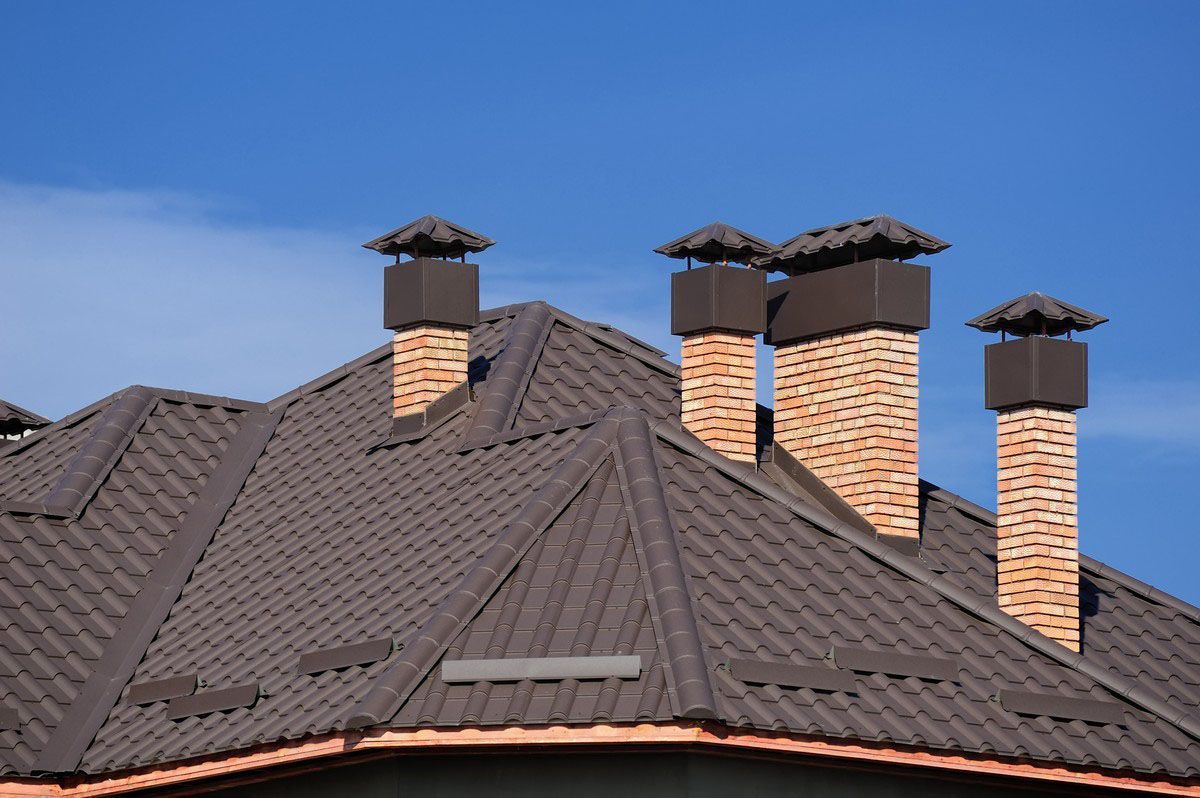
Installing a quality chimney cap helps prevent many common obstructions while keeping rainwater and wildlife out of the chimney. Regular cleanings further reduce buildup and ensure proper ventilation throughout the heating season.
If airflow problems or unusual odors develop, contacting a chimney repair service promptly allows professionals to remove blockages before they contribute to additional damage.
Hire a Professional Chimney Repair Service for Lasting Results
While some homeowners attempt basic masonry repairs themselves, chimney systems involve structural, ventilation, and fire safety considerations that require specialized knowledge.
Professional inspections often identify hidden issues that remain invisible from ground level. For example, deteriorating flue liners, damaged crowns, or compromised flashing may not produce noticeable symptoms until significant damage has already occurred.
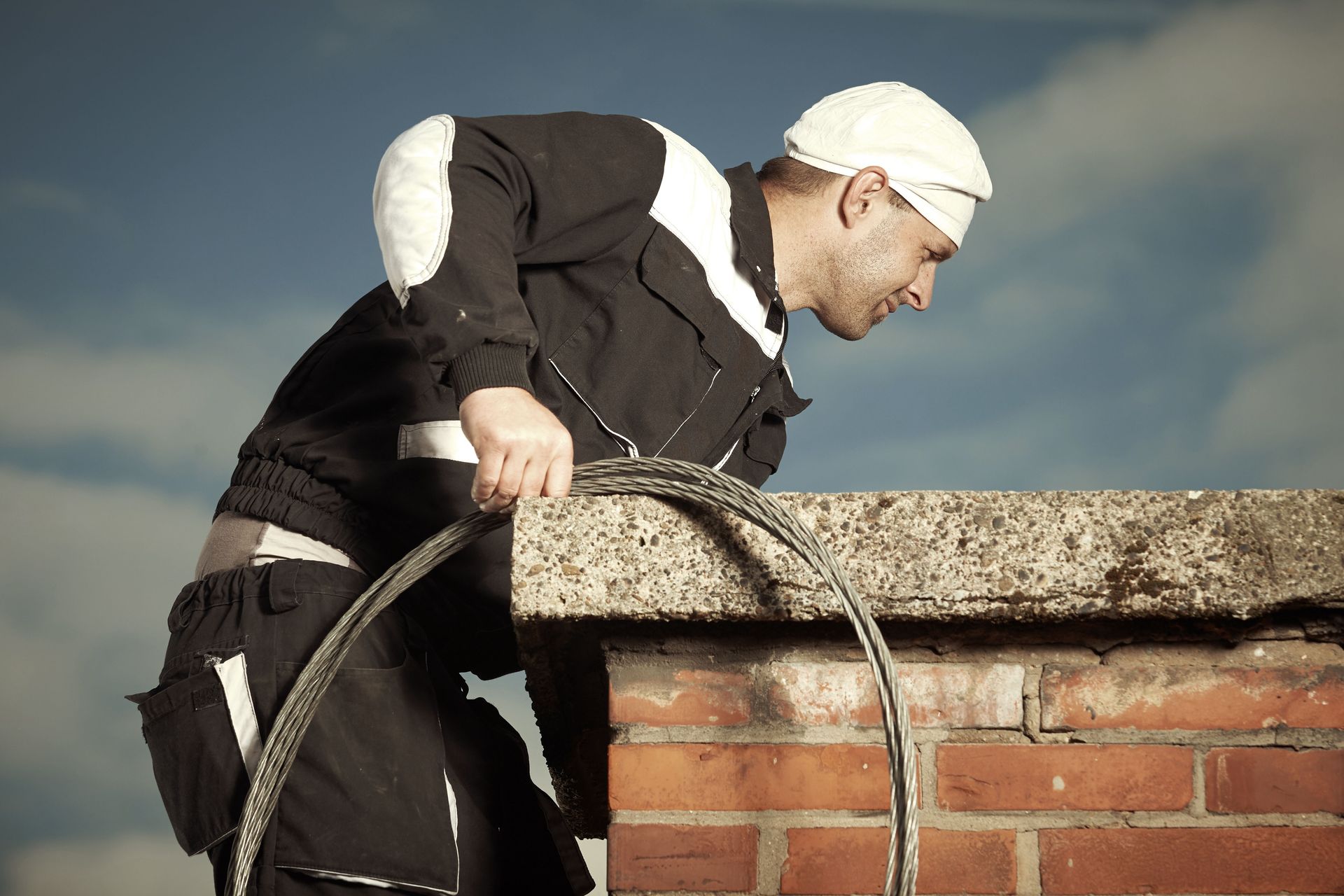
Experienced technicians use specialized equipment to evaluate the chimney's condition safely and thoroughly. They can determine whether repairs involve tuckpointing mortar joints, replacing damaged bricks, repairing crowns, sealing leaks, or restoring structural stability.
Professional repairs also help ensure materials are compatible with the existing chimney construction. Using improper mortar mixtures or sealants can sometimes accelerate deterioration rather than solve the problem.
Safety remains another important consideration. Working on roofs and tall masonry structures presents fall risks, while improper repairs may increase the likelihood of chimney fires or carbon monoxide exposure.
Choosing a reputable chimney repair service provides homeowners with confidence that repairs meet current building standards while addressing the root cause of the problem instead of only treating visible symptoms.
Beyond repairing existing damage, professionals can recommend preventive maintenance schedules and protective improvements that reduce future repair needs.
Many of the most serious chimney problems begin with small issues that homeowners overlook. Cracked mortar, water intrusion, weather exposure, neglected maintenance, and hidden blockages can gradually weaken a chimney until repairs become far more extensive and expensive.
Regular inspections, prompt repairs, and routine maintenance allow small problems to be corrected before they threaten the chimney's structural integrity or your home's safety. Working with a trusted
chimney repair service helps identify hidden damage, restore proper function, and protect your investment for years to come. If you've noticed signs of deterioration or simply want peace of mind, scheduling a professional inspection is an important first step toward maintaining a safe and reliable chimney. If you need chimney repairs, reach out to the dedicated team at Top Notch Chimney today!